Biodynamic wine
Farmed as one organism, and documented like everything else.
Biodynamic farming treats the estate as a single living system: no synthetic inputs, composts and preparations made on site, and work timed to a calendar. Some of it is agronomy that any organic grower would recognise and some of it is frankly cosmic. We have no interest in arguing either side.
What is not in dispute is the correlation. Biodynamic estates tend to be obsessive, low yielding and hand worked, and the wines carry it. Demeter and Biodyvin are the two certifications that mean something, and both sit on top of organic certification rather than replacing it.
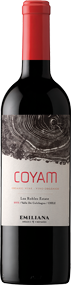
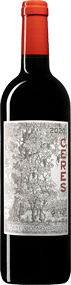
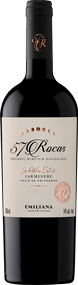
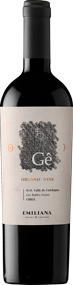
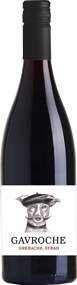
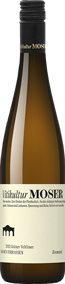
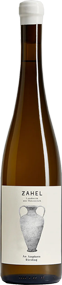
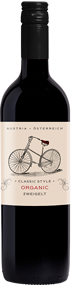
Every bottle here shows which of those applies, or says it is a practising claim from the grower, which is a different and lesser thing said plainly.
Questions
What is biodynamic wine?
Biodynamic wine comes from vineyards farmed on Rudolf Steiner's principles: the estate treated as a closed living system, no synthetic chemicals, composts and herbal preparations made on site, and vineyard work timed to a lunar calendar. The recognised certifications are Demeter and Biodyvin, and both require organic certification underneath.
Is biodynamic better than organic?
It is stricter, not automatically better. Biodynamic certification includes everything organic certification requires and adds the preparations and the calendar. The practical reason biodynamic wines often taste more alive is that the farming demands attention and low yields, not the calendar itself.