Low sulphite wine
At or under 50 mg/l total sulphur, and the number is on the page.
Every wine shop in the country sells low sulphur wine. Almost none of them will tell you the number, because the number is on a technical sheet in a supplier's inbox and nobody has ever bothered to ask for it. We asked, and we publish what came back.
The wines on this page carry total SO2 at or under 50 milligrams per litre, which is the ceiling the strictest published UK charters use. RAW WINE sets 50, Pure Wines sets 50, Vin Methode Nature sets 30. For scale, the legal maximum for a conventional dry red is 150 and for a sweet white it is 400.
Low is not the same as none, and none is not automatically better. Sulphur is what stops a wine turning to vinegar in a warm van, and the wines made without it need real skill and a cold journey. Both are here, both are labelled.
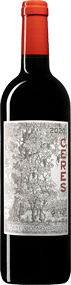
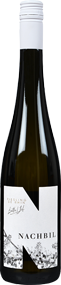
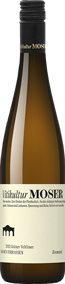
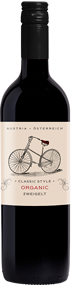
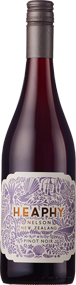
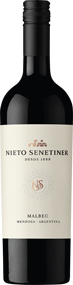
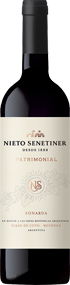
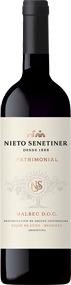
Questions
What is a low level of sulphites in wine?
There is no legal definition of low. The strictest published natural wine charters set the ceiling at 50 mg/l total SO2, and Vin Methode Nature sets 30 mg/l. UK law allows up to 150 mg/l in a conventional dry red, 200 in a dry white and 400 in some sweet wines. Anything at or under 50 is genuinely low.
Why does the label say contains sulphites if the wine has none added?
Because fermentation itself produces sulphites, typically around 10 to 20 mg/l. Any wine over 10 mg/l total must carry the warning, so a wine with nothing added at all still declares it. That label line tells you almost nothing, which is why we publish the figure.
Do sulphites cause headaches?
Very unlikely on the evidence. Sulphite sensitivity is real but rare, and it usually presents as asthma rather than headache. Dried apricots carry roughly ten times the sulphite of a glass of wine. Histamines, biogenic amines, tannin and the alcohol itself are all more plausible culprits. We publish the figure because it is a real measure of intervention, not because we are selling a cure.