Orange wine and skin contact whites
White grapes, left on their skins, and honest about it.
Orange wine is white wine made like red. The juice stays on the skins for days or months instead of being pressed straight off, and it picks up colour, tannin and grip on the way. Amber, ramato and skin contact all mean the same thing.
It is the oldest way of making white wine and the newest thing on a wine list, and it is where the natural wine world does its most interesting work, which is why so much of it arrives with no information at all. Every orange wine here shows its farming, its maceration where the producer states it, and its sulphur in milligrams per litre.
Expect grip rather than sweetness. Dried apricot, orange peel, a savoury edge and a tannin structure closer to a light red than to a Sauvignon Blanc. Cloudiness is normal. Serve it cool but not cold and give it a proper glass.
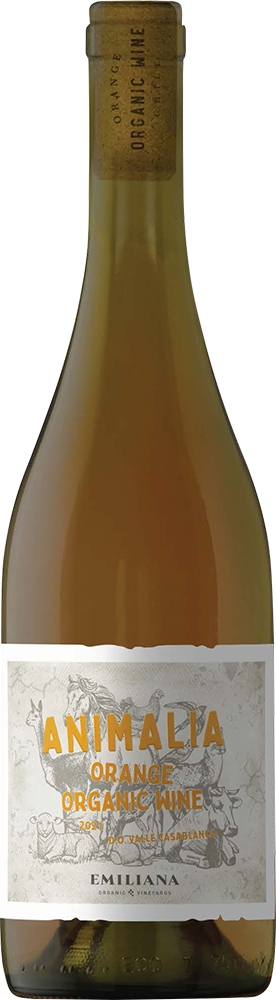
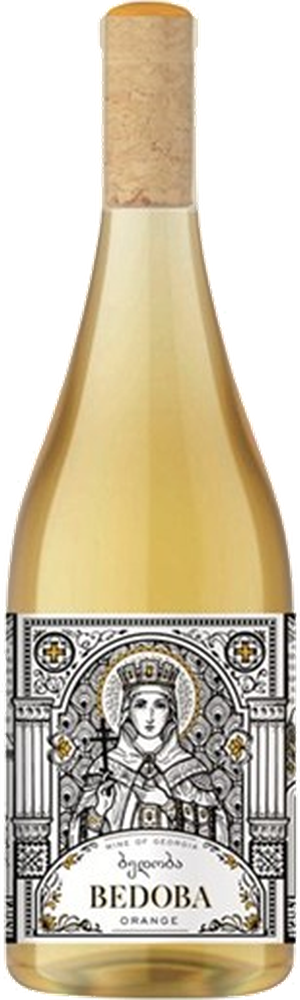
Questions
What is orange wine?
Orange wine is made from white grapes fermented in contact with their skins, the way red wine is made. The skins give colour, tannin and texture. It is also called amber wine, ramato or skin contact wine. It is not made from oranges and it is not sweet.
What does orange wine taste like?
Dried apricot, orange peel, tea and nuts, with a savoury finish and real tannic grip. It is drier and firmer than most people expect. Because it has tannin it behaves like a light red at the table, so it handles roast chicken, hard cheese and spiced food that would flatten a normal white.
Is orange wine natural wine?
Not automatically. Skin contact is a technique, not a certification. Most orange wine is made by low intervention producers, which is why the two get spoken about together, but a skin contact wine can still be conventionally farmed and heavily sulphured. That is why each bottle here shows its farming and its SO2 figure separately from its style.